Consumer brands like to believe the customer walks into a store with a shortlist already formed by advertising.
In many appliance categories, that is not how the decision actually happens.
A customer may arrive thinking they want one air-conditioner brand and leave with another because the dealer says the second one is easier to maintain, the installer trusts it more, the spare parts are available, the voltage protection is better, or the margin gives the retailer more reason to recommend it.
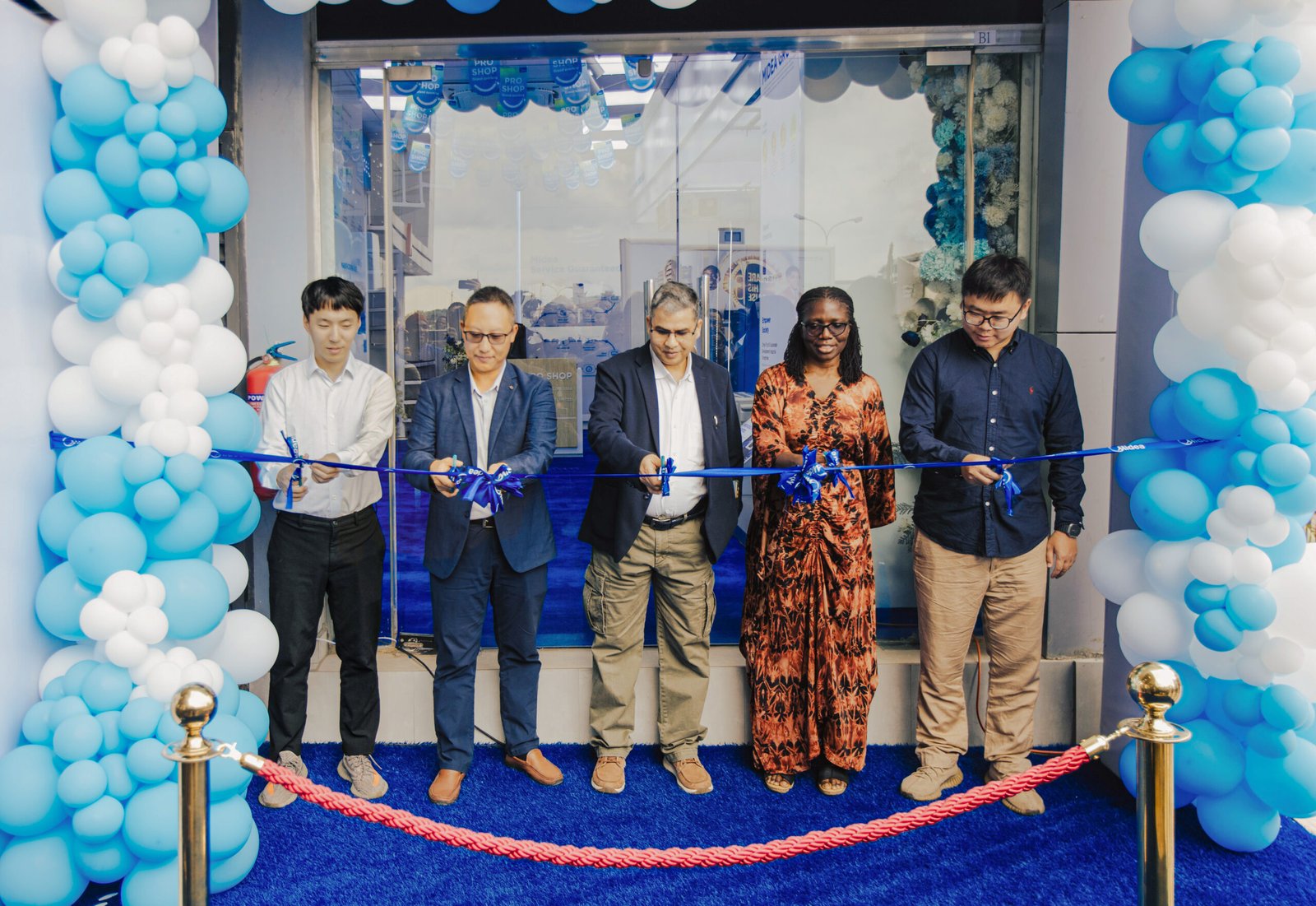
Midea’s 2026 Dealers Conference in Lagos is a useful reminder of that hidden layer of brand building. The company brought together dealers, installers and distribution partners to discuss residential air-conditioning products, its Midea Club platform, Pro Shop initiative, promotions and technical education. The programme focused heavily on dealer experience, installation standards and retail sell-out.
The obvious story is dealer engagement.
The deeper story is that in categories like appliances, the person behind the counter can be more influential than the billboard outside.
Not Every Brand Decision Is Made by the Buyer Alone
Marketers often think in straight lines: ad creates awareness, awareness creates consideration, consideration creates purchase.
But durable goods create more complicated journeys.
Consumers ask friends. They call technicians. They compare warranty terms. They ask a dealer what sells. They worry about power supply, repairs and parts. They want to know what happens three years after the purchase.
That gives intermediaries unusual power.
The installer can become a recommender. The dealer can become a search engine. The technician can become the person who decides which brands are considered reliable in the first place.
Channel Marketing Is Brand Marketing
This is why Midea Club and Pro Shop are strategically interesting.
They are not just sales-support programmes. They help shape the environment in which the product is explained, installed and recommended.
If dealers understand the product better, they can sell the benefits more clearly. If installers trust the product, they can reduce bad installation experiences. If the network receives support and incentives, the brand gets stronger representation at the exact point where purchase decisions become concrete.
That is brand building through infrastructure.
The Consumer Experience Starts Before Installation
An air conditioner can have excellent advertising and still produce a terrible brand experience if it is badly installed.
The customer rarely separates those failures neatly.
If the unit leaks, makes noise, underperforms or fails early, the brand takes the blame even when installation was the root cause.
That is why technical education matters commercially. The installer is part of the product experience whether the marketing department likes it or not.
The same principle appears in other Nigerian categories. We have written about how delivery riders become part of the brand experience. In appliances, installers and dealers play a similar role.
Top-of-Mind Is Not Enough if the Channel Pushes Something Else
Many marketers obsess over awareness.
Awareness matters, but the final metres of the customer journey can destroy it.
If a consumer asks for Brand A and the retailer says Brand B is better value, easier to service and available immediately, Brand A’s media spend is now negotiating with a person standing one metre away from the customer.
That is why channel incentives, training, availability and service are not separate from marketing. They are the commercial reality underneath the brand promise.
Dealer Loyalty Can Become Consumer Preference
Retailers are rational too.
They pay attention to margins, stock movement, warranty headaches, supply consistency, brand support and how quickly problems are resolved.
A manufacturer that makes life easier for dealers can earn something advertising cannot buy directly: recommendation.
And recommendation is powerful in high-consideration categories where customers feel uncertain.
This is the quiet advantage Midea appears to be investing in.
The Real Competition May Be Invisible
Consumers see TVCs, digital ads and product displays. They do not see dealer programmes, distributor meetings, incentive structures, technical trainings and backend support.
But those invisible systems often determine which brand is available, which brand gets recommended and which brand delivers a smoother ownership experience.
That means the real appliance battle may be won months before the consumer enters the shop.
TL;DR
Midea’s 2026 dealer conference highlighted its Midea Club, Pro Shop programme, installer education and new commercial initiatives.
The bigger lesson is that in appliance marketing, the channel is not merely where the product is sold. It is where trust, recommendation and product experience are shaped.
Sometimes the strongest brand in the room is the one the dealer wants to sell.
SoroSoke.