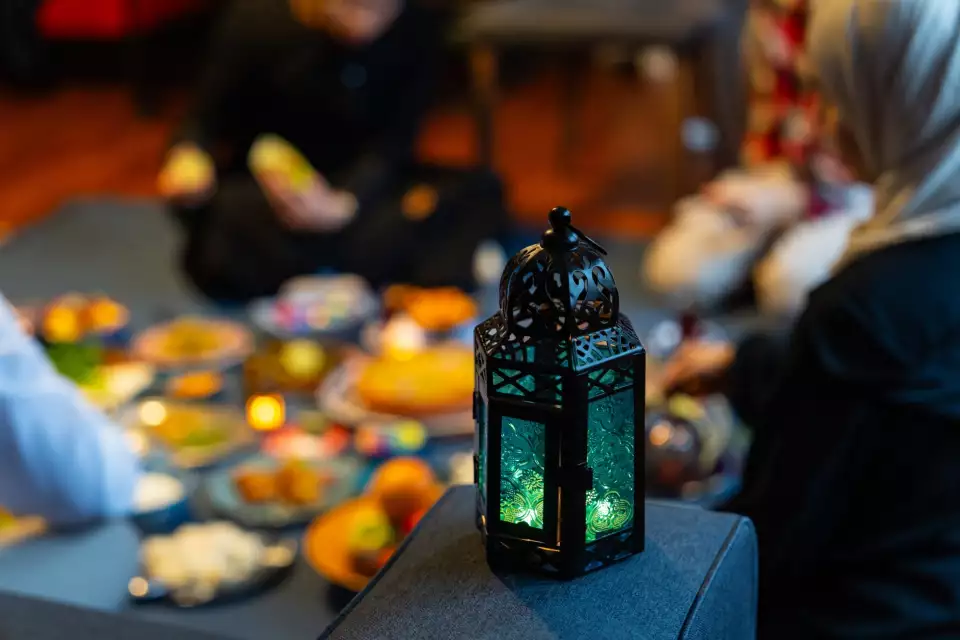
Ramadan 2026 ended on March 20, and the post-campaign retrospectives are filtering through the industry.
Here is the uncomfortable truth that most of them will not say out loud: most Nigerian brands still do not know how to market across a full month.
They can do a day. They can do a weekend. Valentine’s Day gets three posts. Mother’s Day gets a week if the brand is disciplined. But 30 consecutive days of sustained, relevant engagement without fatigue, repetition, or audience abandonment? That is where the separation happens — and Ramadan 2026 made it visible.
Why Ramadan is the Hardest Marketing Calendar Moment in Nigeria
No other moment asks what Ramadan asks of a brand.
It is not the largest audience moment — Christmas reaches more Nigerians. It is not the highest-spending period for most categories. What makes Ramadan uniquely difficult is the sustained engagement requirement. You are marketing to an audience that is fasting, praying, working, managing altered sleep schedules, and making spiritually-conscious spending decisions — for 30 straight days.
The brands that got it right this year understood one thing: Ramadan has a rhythm. Week one is about preparation. The middle weeks are about community and depth. The final days — the run-up to Eid — are about celebration and release.
The brands that treated the whole month as one flat campaign posted the same tone in week one as week four. They looked exhausted by week three. The audience clocked it.
The Template Trap
Nigerian brands, particularly FMCG, love their Ramadan template. Crescent moon. Lantern graphic. Orange and gold palette. “Wishing you and your family a blessed Ramadan.” Post once. Done.
It is lazy. It is visible. And increasingly, the audience is not engaging with it.
The brands that won this Ramadan — and Maggi’s utility play was a standout example, building actual planning advice into early campaign content — did not lead with aesthetics. They led with usefulness. They asked: what does this audience actually need in week one? What problem can we solve at Iftar time that our product is uniquely positioned to address?
That is a marketing brief. Not a graphic design request.
What Sustained Engagement Actually Requires
The strategic lesson from Ramadan 2026 is not really about Ramadan. It is about the gap between Nigerian brands’ creative ambition and their content infrastructure.
Executing 30 days of quality calendar marketing requires a content calendar built in advance, not assembled week-to-week. It requires platform optimisation. It requires a team that can modulate tone across a campaign arc without losing the brand voice.
Most Nigerian marketing teams do not have this infrastructure. They have the ideas. They lack the systems.
READ ALSO: Guinness MADE OF BLACK is not just an Ad
Ramadan 2026 raised the bar. Easter is next. Then Sallah. Then Christmas. The brands that build the infrastructure now will not be scrambling in December.
SoroSoke Brand Tip: Your next big calendar moment should already have a 30-day content arc. If it does not, you are already behind. Calendar marketing is the most predictable category that exists — and somehow, most brands still treat it like an emergency.
Which brand’s Ramadan 2026 campaign impressed you most, and why? tweet us @sorosokebrands