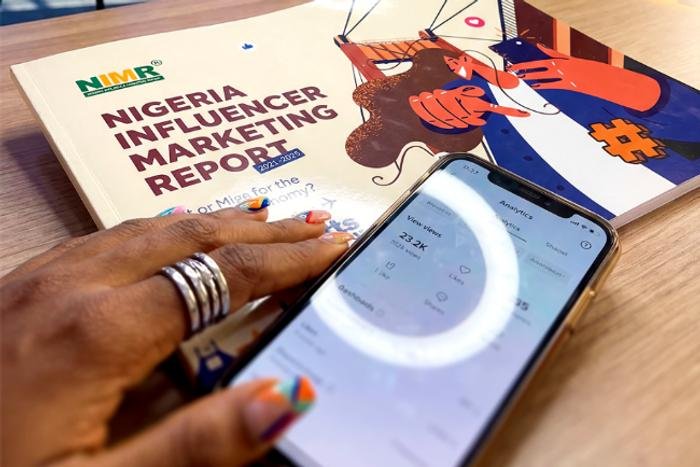
Look at how a Nigerian brand campaign is built now. The budget is allocated, and the largest share goes to influencers. A celebrity to anchor it. A tier of mid-level creators for reach. A swarm of micro-influencers for “authenticity.” The campaign is essentially a casting exercise — assemble enough rented audiences, point them all at the product in the same week, and call the combined reach a campaign.
And underneath all that rented attention, a question goes unanswered. After the influencers have been paid and the posts have expired and the reach numbers have been reported — what does the brand actually have? Did it build anything it owns? Or did it just rent a crowd for a week and call it marketing?
The Difference Between Renting an Audience and Building One
When a brand pays an influencer, it is renting access to an audience that belongs to someone else. The access is real but temporary. The post goes up, the influencer’s followers see it, some fraction pay attention, and then the influencer moves on to the next brand that pays them — frequently a direct competitor, the following week. The audience was never the brand’s. It was borrowed, and the loan came due the moment the payment cleared.
Building an audience is the opposite. It is the slow work of giving people a reason to follow the brand directly — to want to hear from it, to trust its voice, to choose to stay connected. An audience a brand builds is an audience it owns. It does not expire when the payment stops. It does not get rented to the competitor next week. It compounds.
The Nigerian marketing industry has tilted almost entirely toward renting and away from building, because renting is faster and produces immediate reach numbers. But a brand that only ever rents audiences is permanently dependent on the rental market. It never accumulates anything of its own. The moment the influencer budget stops, the brand goes silent, because it built no direct relationship with anyone.
What the Influencer Obsession Is Actually Hiding
The rush to influencers often masks a deeper problem: the brand has nothing interesting to say on its own. If a brand had a genuine voice, a real point of view, content worth following — it would build its own audience over time and use influencers to amplify, not to substitute. The brands that lean hardest on influencers are frequently the brands that have outsourced not just reach but personality. They pay other people to be interesting because they have not done the work of being interesting themselves.
This is why so much Nigerian influencer marketing feels hollow. The influencer is interesting. The brand behind the post is a blank. The consumer follows the influencer, enjoys their content, scrolls past the sponsored mention, and forgets the brand instantly — because the brand brought nothing to the relationship except a payment. The influencer had the audience. The brand just had the budget.
The Brand That Builds Wins the Long Game
None of this means influencers are useless. They are powerful when a brand uses them to amplify an identity it already owns. The problem is using them to replace the identity entirely — renting reach in place of building a brand, quarter after quarter, until the brand is nothing but the sum of its paid posts.
The Nigerian brand that does the harder thing — builds its own voice, earns its own audience, develops a personality worth following directly — ends up needing influencers less and benefiting from them more. It has something of its own to amplify. It is not renting a crowd to hide the fact that it has nothing to say. It is using borrowed reach to spread a message that is genuinely, ownably its own.
SoroSoke Brands Tip: Look at your last campaign budget and calculate what percentage went to renting other people’s audiences versus building your own. If almost all of it went to influencers and almost none to developing the brand’s own voice, channels, and direct audience, you are not building a brand. You are running a permanent rental operation. Shift even a fraction toward building something you own. Rented reach disappears when you stop paying. An owned audience is the asset that makes the next campaign cheaper.