
Programmatic DOOH Is Coming to Lagos. Are Nigerian Brands Ready to Stop Wasting Billboard Money?
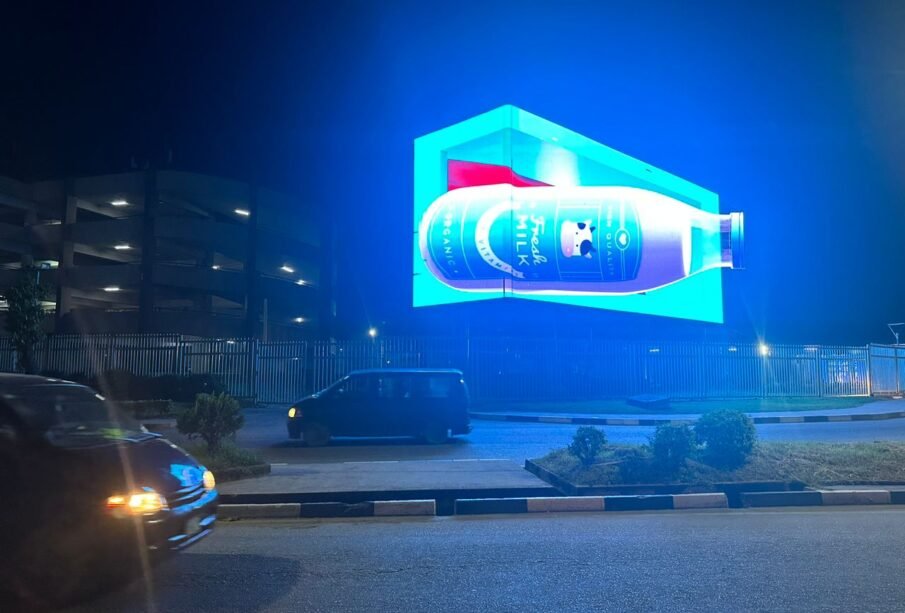
There’s a billboard on your route to work that has been showing the same ad for six weeks. You stopped seeing it after day three. The brand paid for 42 days of your indifference.
This is the Nigerian out-of-home advertising problem in one image. And in 2026, it’s finally starting to get a real solution.
What the Data Says
Nigeria’s out-of-home advertising market is showing relative stability, supported by urbanisation trends that concentrate populations along predictable transportation routes and commercial corridors in Lagos, Abuja, and Port Harcourt. But the bigger shift is happening in digital out-of-home — programmatic DOOH is now emerging in major Nigerian markets.
Programmatic ad spend in Nigeria is forecast to approach $240 million in 2026, with programmatic expected to account for approximately 70% of all digital advertising revenue by 2028. The global benchmark is already at 81.4% in 2026 — Nigeria is behind, but the gap is closing.
What Programmatic DOOH Actually Means
Forget static billboards that run the same creative for a month regardless of time, weather, or audience. Programmatic DOOH means your billboard ad changes based on real-time data. Rush hour traffic on the Third Mainland Bridge gets a different message than late night on Adeola Odeku. A rainy day in Lekki triggers a different creative than a sunny afternoon in Ikeja.
Brands can now buy OOH impressions the way they buy digital ads — targeted, measurable, and optimisable in real time. For Nigerian brands that have been pouring money into static billboards with zero measurement capability, this is a fundamental shift in how outdoor advertising works.
The Problem Nigerian OOH Still Has
Infrastructure. Poor road conditions, traffic unpredictability, inadequate lighting, and limited measurement capabilities still constrain sophisticated OOH campaign execution across much of Nigeria. Outside Lagos Island and a few Abuja corridors, programmatic DOOH is still largely theoretical.
And even where the infrastructure exists, Nigerian brands are still mostly buying OOH the old way — negotiating directly with landlords, running static creative, measuring nothing. The technology is arriving faster than the industry’s willingness to adopt it.
What Forward-Thinking Brands Should Do Now
Start demanding measurement from your OOH partners. Ask about digital inventory. Run A/B tests with different creatives on the same site. Push your outdoor agency to tell you actual footfall data, not estimated impressions based on traffic counts from 2019.
READ ALSO: Guinness Nigeria Made of Black, A Genius Concept
The brands that figure out programmatic DOOH in Lagos now will own an enormous first-mover advantage when it scales nationally. The window to be early is still open — but it’s closing.
SoroSoke Brand Tip: If your OOH strategy is still “find a busy road and put up a board,” you are not doing outdoor advertising. You are doing expensive wallpaper. Demand data. Demand targeting. Demand measurement. If your vendor can’t provide it, find one who can.
Has your brand or agency started experimenting with programmatic DOOH in Nigeria? Drop your experience by tweeting us @sorosokebrands — the industry needs to hear from people actually doing it.