
May 1 is Workers’ Day. Nine days from today.
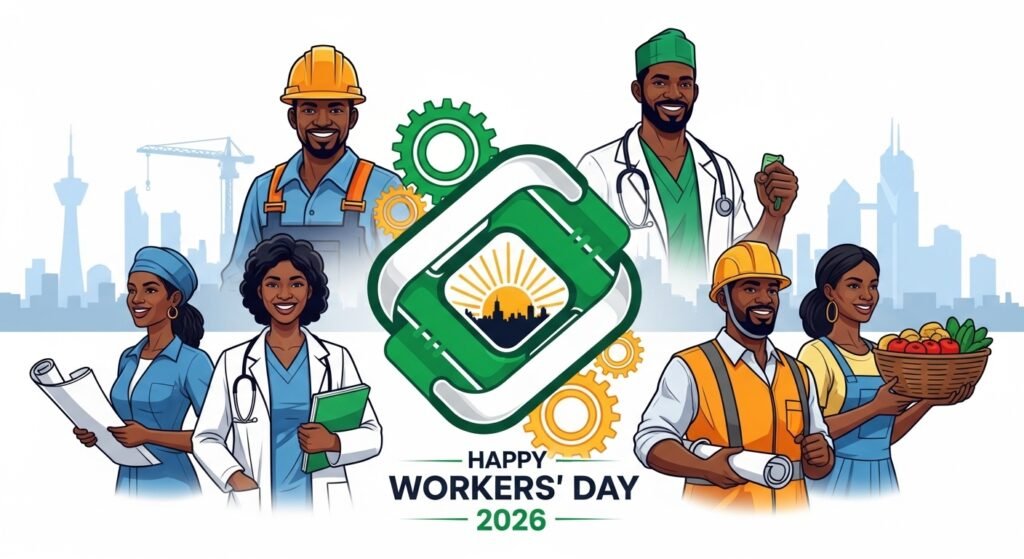
Right now, in Lagos, Abuja, and Port Harcourt, social media managers at Nigerian banks, telecoms, FMCG brands, and insurance companies are finalising content calendars that all say approximately the same thing: “Happy Workers’ Day to all hardworking Nigerians. You are the backbone of this nation.”
Thirty-seven brands will post that sentence, in slightly different fonts, with slightly different colour treatments, on the same morning. None of them will be remembered by noon.
The Workers’ Day Brief That Nigerian Brands Keep Getting Wrong
Workers’ Day in Nigeria is not a day of cheerful celebration. It is a complicated moment. It is the day that NLC and TUC typically hold rallies where they publicly criticise wage levels, electricity supply, fuel prices, and the cost of living. It is the day that Nigerian workers — many of whom work two or three jobs to survive, many of whom have not received a salary increase in three years while inflation eroded their purchasing power by over 60% since 2022 — are asked to feel appreciated.
A brand that posts “you are the backbone of this nation” at this moment is not speaking to a worker’s actual experience. It is speaking to an imaginary worker who has no complaints, no financial stress, and no awareness of what their labour is actually worth.
That is not resonance. That is tone-deafness dressed in orange and navy.
What an Honest Workers’ Day Campaign Looks Like
The brand brief that would cut through on May 1 acknowledges the real experience of the Nigerian worker in 2026 — without being morbid about it. The economy is recovering. The naira is stabilising. Consumer confidence is cautiously returning. The Nigerian worker is not simply suffering; they are resilient, they are adapting, and they are starting to breathe slightly easier after four genuinely hard years.
A Workers’ Day message that captures that specific moment — not generic celebration, not poverty tourism, but honest acknowledgement of what workers have navigated and what they are rebuilding toward — would be genuinely differentiated from every other brand posting that morning.
It requires knowing your audience at that level of specificity. It requires a brief that starts with “what is a Nigerian worker actually feeling on the morning of May 1, 2026?” rather than “what do we want to say about Nigerian workers?”
Those are different questions. Almost no Nigerian brand is asking the first one.
The Brand That Has the Most to Gain Here
The brand with the biggest Workers’ Day opportunity is the one whose product is most embedded in the Nigerian worker’s daily experience — and that is not a bank or a telco. It is whichever FMCG brand has the honesty and creative courage to acknowledge what it actually means to fuel the Nigerian worker through a morning that stretches from 5am to 11pm.
Maggi. Nescafé. Lipton. Bournvita. These are the brands that live inside the Nigerian worker’s daily routine. Their Workers’ Day brief writes itself — if someone is willing to write it honestly instead of generically.
SoroSoke Brand Tip: If you are finalising your Workers’ Day content right now, do this before you post: read it out loud and ask yourself whether a Nigerian who took two danfo buses to work this morning, missed breakfast because they were running late, and is still waiting for their March salary — would feel seen or patronised by what you are about to say. That answer tells you whether your content is worth posting.