For most of Nigerian banking history, every bank sounded the same. Trust. Security. Excellence. Solid. Your partner in progress. A category-wide agreement that financial services communication should be serious, reassuring, and indistinguishable from every competitor.
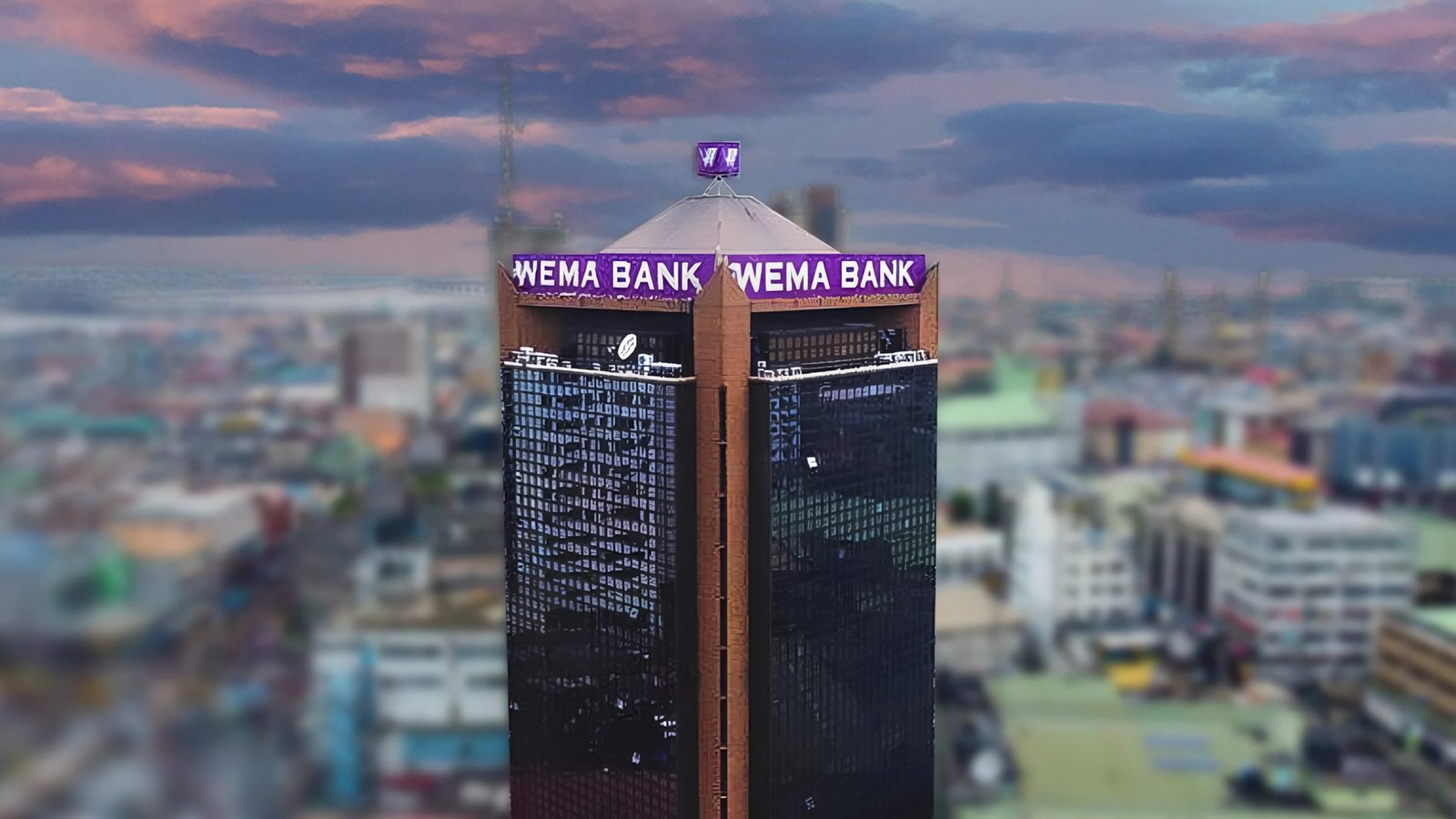
Then one bank decided to sound like a person instead of an institution. Wema Bank, through its ALAT digital push and its broader brand voice shift, started showing up on Nigerian social media with humour, cultural fluency, meme literacy, and a willingness to be playful in a category that had treated playfulness as a risk.
It worked. A legacy bank — one of Nigeria’s oldest, in fact — repositioned itself in the minds of younger consumers as the bank that gets it. That speaks their language. That does not make them feel like they are filling out a form just by reading a post.
Every other Nigerian bank watched this and drew exactly the wrong conclusion.
The Wrong Lesson: “We Need to Do Memes”
The conclusion most banks drew from Wema’s success was tactical: memes work, we should do memes. So the meme briefs went out. The social media teams were told to be funnier. The trend-jacking began. And most of it landed with the dull thud of an institution trying to be casual on command.
The memes were never the point. The point was that Wema gave itself permission to have a personality in a category that had forbidden personality. The memes were a symptom of that permission, not the cause of the success. A bank that copies the memes without granting itself the underlying permission — the genuine cultural authority, the willingness to take voice risks, the internal structure that lets a brand voice actually breathe — ends up with the form of the thing without the substance.
This is why so many Nigerian bank social media accounts now feel like a serious institution wearing a party hat. The hat is the meme. The seriousness underneath is unchanged. And consumers can see both at once, which is worse than either alone.
What Permission Actually Looks Like Inside a Brand
The reason most banks cannot replicate what Wema did is not creative. It is structural. To have a genuine brand personality, a brand has to give the people who manage its voice real authority — the authority to make a joke that a senior executive might not personally find funny, to engage a cultural moment that legal might find slightly risky, to sound human in a way that an old-guard board member might find undignified.
Most Nigerian banks cannot do this because their approval cultures will not allow it. Every post passes through enough layers of risk-aversion that any genuine personality is sanded off before publication. What survives the process is safe, generic, and lifeless — the institutional default that personality was supposed to escape.
Wema’s win required someone senior enough to protect the voice from the institution’s own instinct to neutralise it. That protection is the actual competitive advantage. The memes were just what the protection produced.
The Deeper Shift: Banks as Creators
What Wema actually demonstrated is a broader truth that extends far beyond banking. The brands winning younger Nigerian consumers are the ones that behave like creators rather than advertisers. Creators show up consistently. Creators have a recognisable voice. Creators engage rather than broadcast. Creators are willing to have a personality, take a position, and be a specific thing rather than a safe nothing.
A bank that behaves like a creator — consistent voice, genuine engagement, real personality, cultural fluency that is lived rather than performed — does something no amount of traditional advertising can buy. It becomes a brand that younger consumers actually choose to follow, engage with, and talk about. Not because of an interest rate. Because of a relationship.
That is the Wema lesson. Not “do memes.” Behave like a creator, and grant yourself the permission that requires.
SoroSoke Brands Tip: If your brand wants what Wema has, do not start with the content. Start with the permission. Ask honestly: does the person who manages our brand voice have the authority to be genuinely funny, genuinely cultural, and occasionally genuinely risky — without it being overruled by someone who thinks brands should be serious? If the answer is no, fix that first. The personality is downstream of the permission. You cannot meme your way past an approval culture that kills personality on contact.